HIGHROAD / BUSINESS & LOGISTICS
Auto auction transport
Auto auction transport starts with vehicle release, collection requirements, actual condition, and storage deadlines. Online buyers, resellers, dealers, and heavy-auction buyers should describe each unit and release status.
Request this serviceReviewed October 9, 2026 · Request first. Confirm the plan before booking.
What needs to happen before a vehicle can be collected?
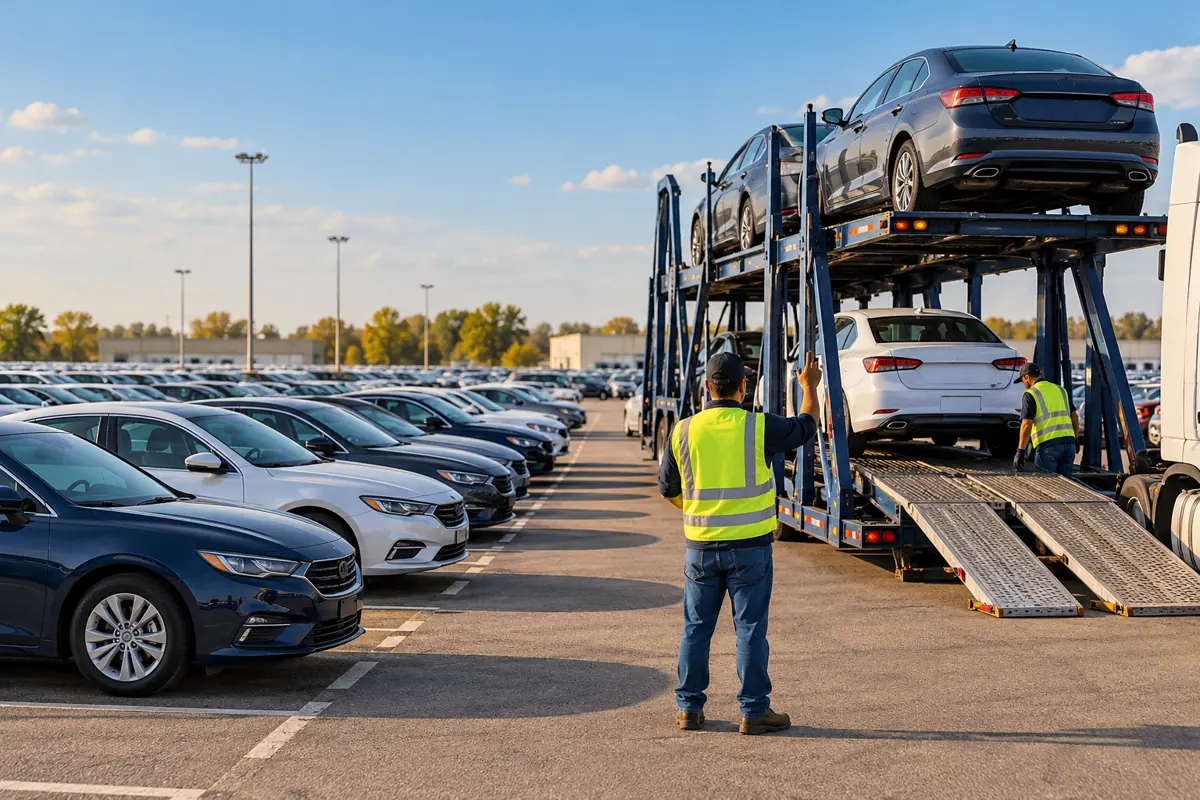
Winning an auction does not by itself make the vehicle ready for carrier release. Confirm payment/release status, pickup authorization, appointment rules, collection hours, and any storage deadline with the auction or seller.
Online descriptions may not fully explain loading condition. Ask whether the unit runs, drives, rolls, steers, and brakes and whether keys are available. Heavy auction units, damaged vehicles, and multiple-unit collections can require different equipment and a more detailed scope.
What details help us assess your request?
Provide auction/seller location, delivery ZIP code, vehicle details, condition, ready date, collection deadline, and release status. Share sensitive release documents only through the approved booking process.
- List each unit for reseller or dealer collections.
- Identify oversized or heavy units with dimensions and weight if known.
- Explain restricted pickup hours, appointments, and loading assistance.
How should I plan around auction storage and collection dates?
Ask when suitable pickup can be arranged and distinguish the transport quote from auction storage, release, or other seller charges. A transport request does not stop the auction’s deadline or establish that storage fees will be covered.
If collection is urgent, include the deadline and release status before discussing expedited options. Do not schedule on the assumption that the vehicle is operational or that the yard can load any trailer. Confirm the actual condition and equipment match.
What should buyers and resellers verify before pickup?
Make sure the authorized release contact and documentation are ready. Confirm the unit’s condition and keys and tell the shipment contact about changes from the listing. At pickup, condition documentation still matters; at delivery, compare records and follow the provider’s process for discrepancies.
A practical planning example
For an online buyer collecting a non-running sedan from an Atlanta auction and shipping to Dallas, confirm release, keys, rolling condition, pickup hours, and the storage deadline. A reseller collecting a heavier unit needs a separate size and equipment assessment.
This is a planning example, not a scheduled route or a completed Highroad shipment.
What do you need to collect my car from Copart, IAA, or another auction?
Confirm the specific auction location’s release requirements, hours, and collection procedures. Provide the lot or vehicle reference, pickup contact, release status, condition, and deadline during the callback. Payment completion and permission to collect should not be assumed to be the same milestone.
Do not put login credentials or sensitive auction documents in the website form. Obtain the information the yard requires and share it through the agreed channel when needed. Highroad does not claim an auction partnership or the ability to bypass yard rules.
Does “run and drive” in the auction listing mean it can load normally?
Do not rely on that phrase alone. Confirm the current starting, rolling, steering, and braking condition, keys, wheel damage, leaks, and loose components. The vehicle’s state can matter more than the listing category when choosing equipment.
Ask the auction what it can confirm and disclose uncertainty. A salvage unit with suspension damage differs from an ordinary car with a dead battery. If loading assistance is offered, ask what method is available and confirm compatibility with the transporter before collection.
Can I avoid storage fees by requesting transport today?
An inquiry does not guarantee pickup before a storage deadline. Provide the exact deadline, release status, hours, and whether an appointment is needed. Ask the auction how storage charges are calculated and what options it permits if pickup cannot occur in time.
An urgent request from a yard near Dallas or Atlanta still needs suitable equipment and access. Transport scheduling does not suspend auction charges or complete payment paperwork. Use the expedited guide to distinguish an urgent request from a confirmed pickup commitment.
Can you ship a car bought online by a private buyer or reseller?
Yes, submit the request with the buyer, seller, release, and receiving details clarified. State whether you are an individual buyer, dealer, or reseller and whether the vehicle will go to a home, repair shop, dealership, or another yard. Confirm who is authorized at both handoffs.
Transport is separate from verifying the sale, title, or mechanical condition. If you have never seen the vehicle, arrange the inspection you need before shipment. Condition records at pickup do not certify that the car is roadworthy or that the seller’s description is correct.
What about multiple vehicles or heavy auction equipment?
List every unit separately with dimensions, weight if known, condition, and release location. A mixed lot may need more than one equipment solution. Do not assume a large truck, RV, or heavy unit travels on the same trailer as an ordinary sedan.
Explain whether all units are released and whether pickup deadlines differ. The freight guide and oversized guide help identify additional scope. Quantity alone does not establish a guaranteed consolidated price or collection schedule.
What should I check before signing the auction transport booking?
Confirm the described vehicle condition, loading assistance, collection appointments, price scope, schedule, and what happens if the yard will not release the unit. Ask who is responsible for storage, waiting time, or extra handling where applicable. Review the transporting company’s coverage and paperwork.
Give the receiving shop’s hours and ability to accept a non-running vehicle. A Houston-auction-to-Jacksonville-shop example involves two controlled handoffs, not just highway distance. Submit the actual release and access details so the callback can address the real obstacles before booking.
Auto auction transport: common questions
Does Highroad obtain auction release automatically?
No automatic release is promised. Confirm the auction’s requirements and the responsible party before collection.
Can you collect multiple reseller vehicles?
List each vehicle and condition. Confirm equipment, collection arrangements, and whether the proposed plan groups the units.
Can heavy auction vehicles be shipped?
Request a review using actual dimensions, weight if known, loading condition, and destination access. Standard car equipment may not fit.
Guidance reviewed October 9, 2026. Before booking, review the actual transport provider’s written price, pickup window, cargo coverage, payment, and cancellation terms. FMCSA automobile transport consumer guidance.
READY TO DISCUSS YOUR SHIPMENT?
Start with the details.
Confirm the right plan.
Use the form to request auto auction transport. We’ll call to discuss suitability, availability, and the next steps.
Get my shipping quotePlan the auction purchase beyond the winning notification
Confirm the actual holding facility, release status, keys and current movement condition before requesting collection. Winning a lot does not automatically complete payment, documents, pickup authorization or equipment acceptance. Use the facility’s current process for the specific lot and location.
Keep facility charges separate from transport price
Obtain the actual fee schedule and first chargeable date directly from the facility. A generic free-storage period or rate should not replace location-specific instructions. The auction storage exposure calculator uses your confirmed rules and entered scenarios; it does not guarantee earlier collection or a deadline.
Disclose the vehicle’s present loading facts
Describe starting, rolling, steering, braking, keys, tires, clearance, damage and any known battery concern. An auction label does not establish today’s safe loading arrangement. Explain who retrieves the car from its holding area and what the facility permits. A nonrunning label does not identify one universal winch or flatbed solution.
Use the condition questionnaire to prepare a factual brief. Appropriate qualified assessment and actual provider acceptance remain separate requirements. Do not ask a driver to repair, dismantle or handle an unsafe condition outside the accepted scope.
Separate an individual purchase from dealer inventory movement
An individual buyer needs a seller-release and personal receiving plan. A dealership acquiring several units needs current per-unit readiness, destinations and staff at each site. A shared auction source does not guarantee a shared truck, simultaneous arrival or volume rate.
Purchase shipping workflows help remote buyers. Dealership transport planning and the vehicle-list builder help organize business requests without treating a roster as an accepted order.
Resolve collection and receiving dependencies before dispatch
Give the authorized facility contact, release hours, any appointment process and the destination receiver’s availability. Review loading permission at both ends, including any alternative location. If payment, documents, current condition or readiness changes, obtain an updated scope review before relying on a previous quote.
The release checklist builder lists missing facts. It does not authorize removal. The schedule planner compares your entered intervals without predicting arrival or promising collection before charges begin.
Retain the sale and shipment evidence separately
Keep the facility’s release confirmation, pickup condition record, safely taken photographs and destination handoff documents. A transport inspection is not a purchase-quality assessment, and delivery does not complete every title, account or auction obligation.
For current source information, see Copart’s payment and collection information and IAA’s own transport-program terms. These describe those providers’ processes and do not establish Highroad affiliation or a universal independent-carrier policy.
Request an auction shipping callback ↗The inquiry does not take payment, reserve equipment or confirm a collection deadline. AI-assisted research and drafting; no firsthand shipment, professional review or new business capability is claimed. Hypothetical situations illustrate planning and are not records of Highroad shipments. Confirm current property, seller and provider instructions for the actual move.
BEFORE YOU BOOK
Know the requirements.
Ask the right questions.
Practical guides distinguish official requirements, carrier policies, and preparation advice.
PLAN BOTH ENDS
State car shipping guides
Check local pickup access, vehicle requirements, scheduling questions, and preparation for your origin or destination. Coverage includes the contiguous U.S. and Hawaii; Alaska is excluded.
Review nationwide coverage or request a shipping callback for your actual ZIP codes.